

Understanding the issue
An essential component of the criminal justice system is crime scene investigation. To determine what transpired at a crime scene, investigators rely on technology, scientific techniques, and tangible evidence. But it takes more than just reading texts and attending demonstrations to learn about forensic science. Students must have the chance to practice investigative methods and get an understanding of the procedures involved in gathering, recording, preserving, and analyzing evidence.
Future investigators need to be ready to use new techniques and equipment as forensic technology advances. Students may have fewer chances to acquire the abilities and information required to work in this sector if they do not have access to hands-on learning opportunities.

Why does it matter?
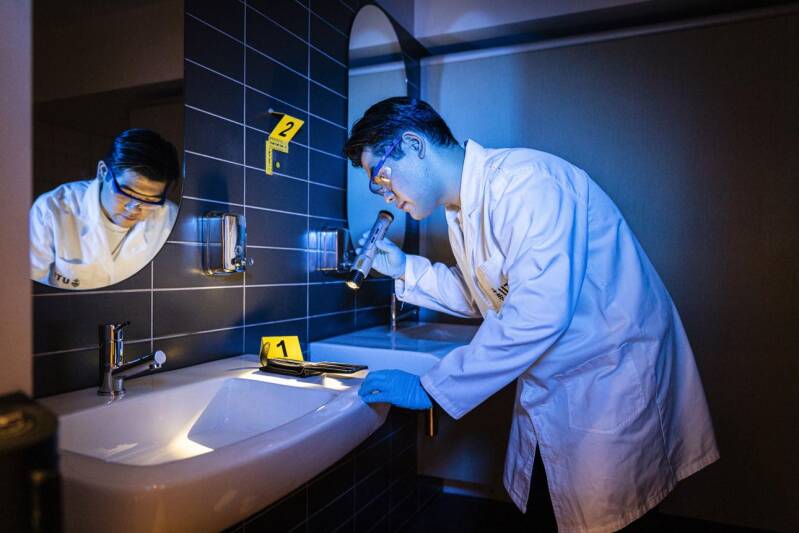
Opportunities to apply what they learn in practical settings are essential for students interested in CSI. Students can learn about the duties of forensic specialists through exercises including fingerprint collecting, mapping crime scenes, documenting evidence, and laboratory analysis.
Students learn the value of professionalism, ethics, accuracy, and upholding the chain of custody from these experiences as well. Increasing the number of possibilities for experiential learning might help students better prepare for their future employment.
Create Your Own Website With Webador